L’Homme Fatale: Mad, Bad, and Dangerous to Know

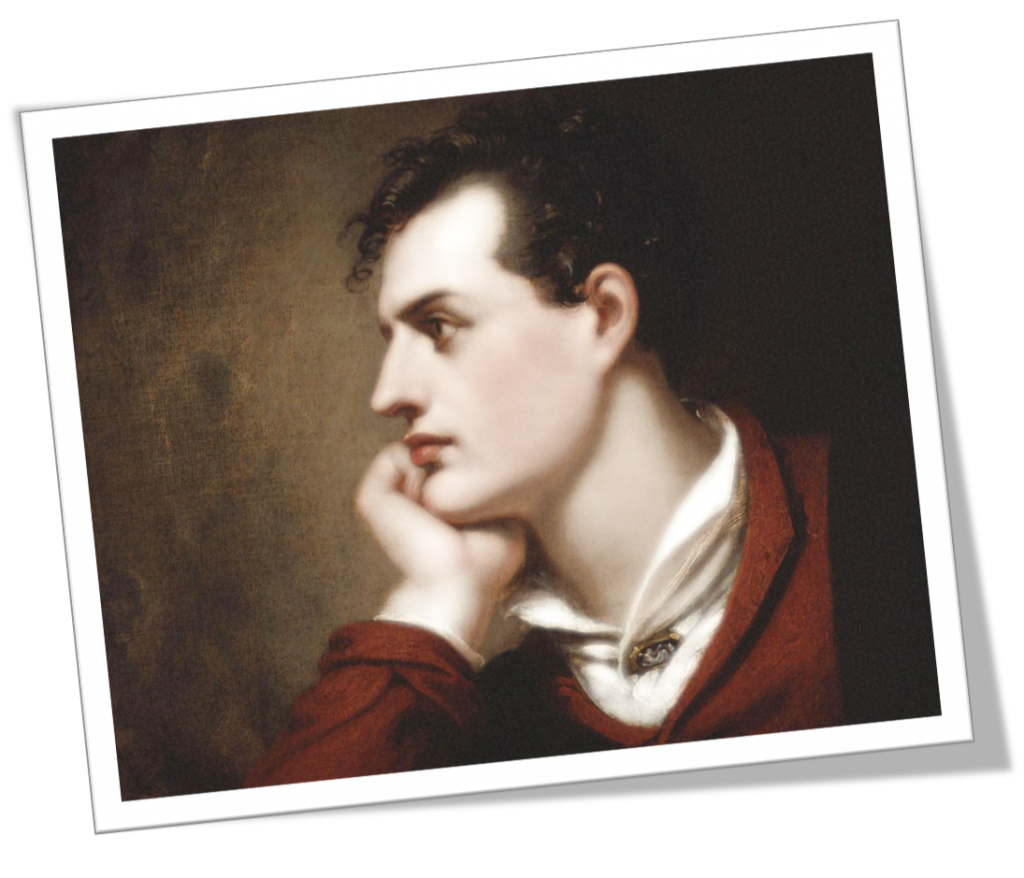
(the ideal of Greek beauty (and the chiseled chin of Alexander of Macedon) realised in the portrait of the Poet as Artist)
Once upon a time, a long, long time before there was Instagram, Kanye West, Facebook, Twitter, Youtube, Snap filters, or all this other silly nonsense desperately seeking self – importance and self – aggrandizement on social media, there was Lord Gordon Byron, the male archetype of wicked and relentless self-promotion and self-publishing avant la lettre, and a veritable monstre sacré of the Romantic movement at the time of Napoleon in which evil poets set out to achieve by passion for nature for what love of reason would never be able to achieve.
You see when you actually have a real face and not a digital one, and you are beautiful, and you are talented, and you are not beholden to technology, but all you possess is your father’s estate to lay waste while graciously wielding your silver quills, then the world belongs to you. No matter how evil your deeds. If then you publish, publish, and publish those deeds again, without actually letting folks know where exactly you are, or what your plans are, or what your reasons and objectives are, people will be questioning your behavior and might perchance be insulted by, aye jealous of your caprice.
This blueprint so avidly used today by Rich Kids of Instagram is not new at all, but instead used to take some real daring-do back in the day, when Byron would swim the four mile tumultuous stretch of the Hellespont (because an ancient Greek hero had once done the same), or scandalously date his half-sister (and write a famous poem about her beauty), or train Greek rebels prepping them for war against the Turks. And then of course recite the misadventures later in the social salons and tearooms of High Society, so that your reputation may further your stature as a man who is bad, rogue, yet beautiful.
Enter the Byronic hero.
So yes, Jay Alvarez, you wet your chest! For this is not the stuff of jet-skis or sky-jumping or plunging into private pools or cliff diving on azure beaches surrounded by pretty girls at Electro parties on Ibiza or Mykonos.
No, to be appreciated in those days as an aspiring social critic, it would take real talent and some real courage. And indeed the Byronic hero is someone who, unlike today, does not try to be most perfect or wants to have most friends, but rather someone who revels in being terrible – un enfant terrible, an impossible yet civilized person, who, if by any means possible, will be most perfectly fatally flawed.
For a great man is known by his imperfections and his enemies.
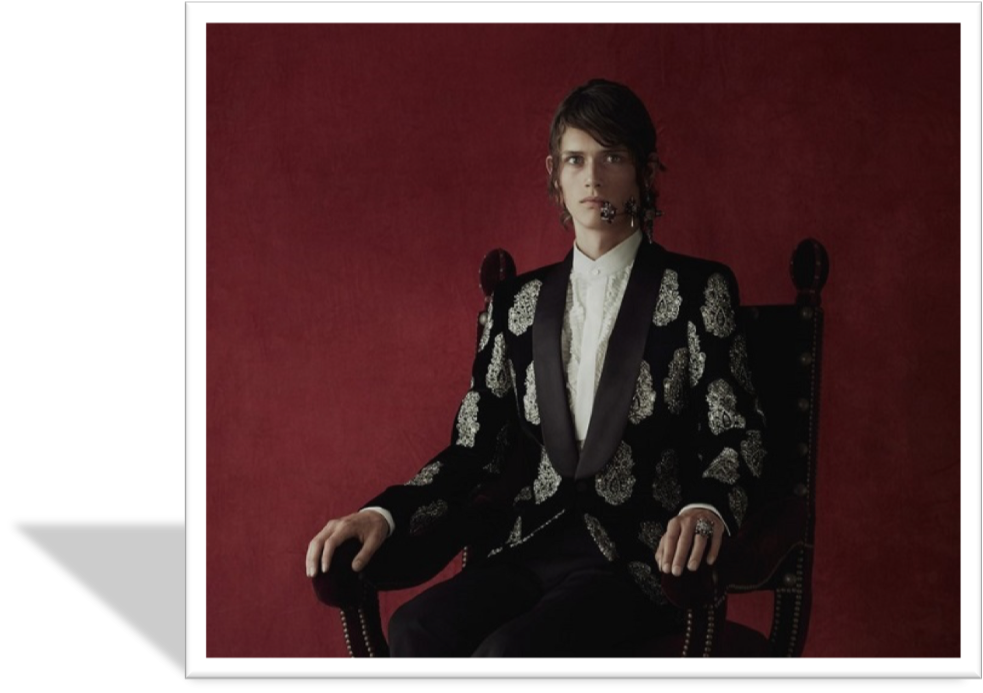
(Alexander McQueen: Mad, Bad, and Dangerous to Know)
Un homme fatale, and yes, ‘mad, bad and dangerous to know’ as the current social wisdom in good circles would have it about Lord Byron in his day.
So yes, his thorny words long forgotten since by the millennial generation and his poetry having long died out with the coming of the information age, where Gordon Byron still lives on today is in that blatant Byronic fashion and Byronic style which today is ubiquitous and everywhere. You will see it coopted often as pretentious style in movies and in music videos in the vain and idle search for a fatal imperfection which would keep its relevance long after everything else will be forgotten, but let it be said that the best example of that mad and bad and dangerous Byronic look, for which no other poet or artist could ever become a beautiful byword or a wicked adjective, today still finds its way onto the fashion runways as interpreted by no other than Alexander McQueen.
You see, there is never a substitute for real talent, no matter how many likes you get. And there is no need for ‘friends’ if one is disliked for all the right reasons as there is always a premium on grand displeasure or dissatisfaction. For something that you cannot buy is priceless. Something so salty and tasty, so fatal, that …
Life’s enchanted cup sparkles near the brim.
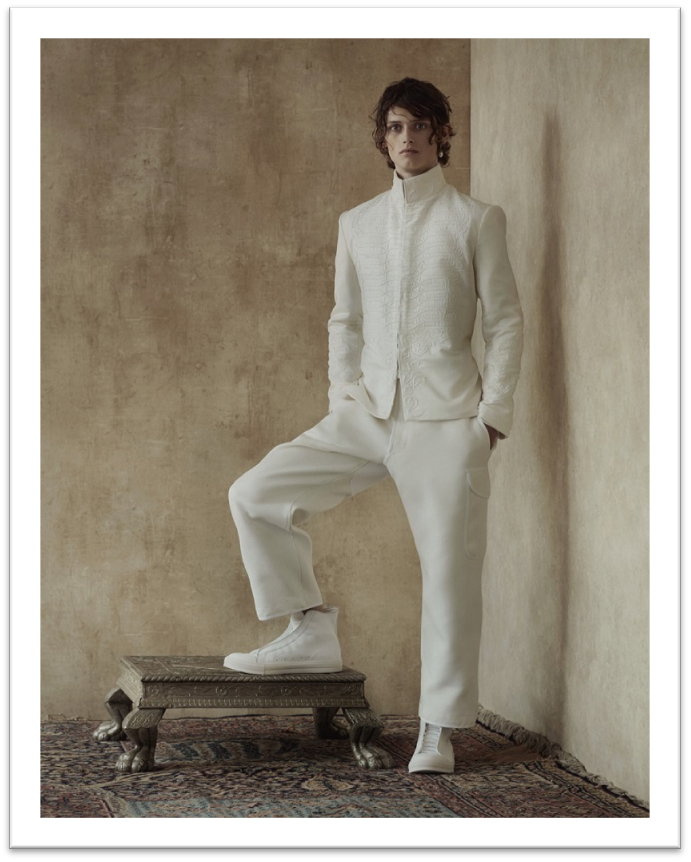
(L’homme fatale, by Alexander McQueen)
Category: Style / Stories
Story: Sandro
Photo credits: Alexander McQueen via Fashion Radar
Quote: Lord Byron